Silicone Products vs Rubber Products Differences and Applications
2026-06-30
Introduction
When developing a new product, choosing the right material is one of the most important decisions. Among flexible materials, silicone and rubber are two of the most commonly used options.
Although many people use these terms interchangeably, silicone and rubber are different materials with unique properties, advantages, and applications.
Understanding the difference between silicone vs rubber can help manufacturers, importers, wholesalers, and product designers choose the best material for their specific needs.
In this guide, we'll compare silicone products and rubber products in terms of safety, durability, heat resistance, flexibility, cost, and industrial applications.

What Is Silicone?
Silicone is a synthetic elastomer made primarily from silicon, oxygen, carbon, and hydrogen.
Unlike traditional rubber, silicone is manufactured through a chemical process that creates a highly stable and versatile material.
Silicone is known for:
-
Excellent heat resistance
-
Food-grade safety
-
Long lifespan
-
UV resistance
-
Weather resistance
-
Flexibility
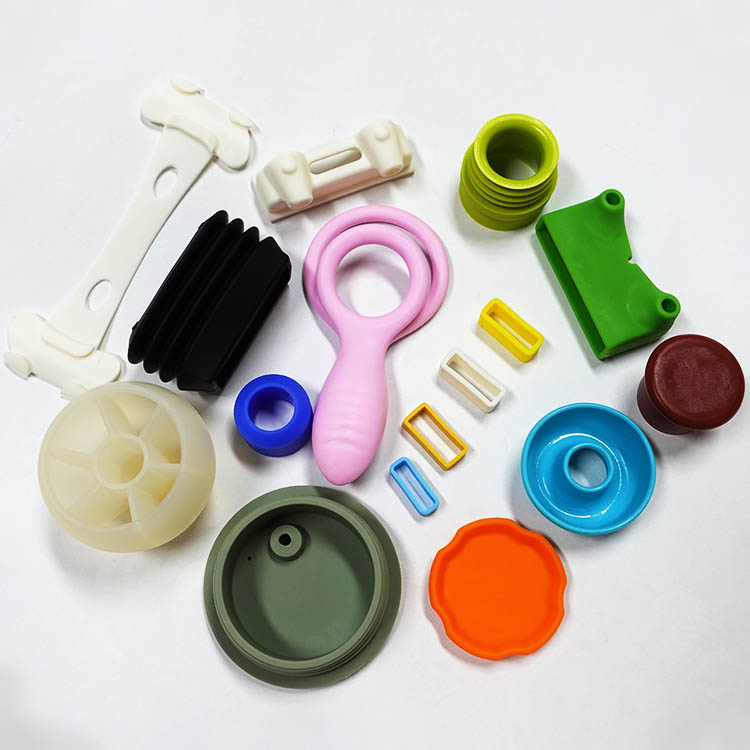
Because of these characteristics, silicone products are widely used in kitchenware, baby products, medical devices, electronics, and industrial applications.
Common silicone products include:

What Is Rubber?
Rubber is an elastic material that can be natural or synthetic.
Natural rubber is derived from latex harvested from rubber trees, while synthetic rubber is produced from petroleum-based chemicals.
Rubber has been used for decades because of its:
-
Good elasticity
-
Shock absorption
-
Abrasion resistance
-
Cost-effectiveness
Common rubber products include:
-
Tires
-
Industrial seals
-
Conveyor belts
-
Rubber mats
-
O-rings
-
Protective equipment

Silicone vs Rubber: Quick Comparison Table
|
Property
|
Silicone
|
Rubber
|
|---|---|---|
|
Heat Resistance
|
Excellent
|
Moderate
|
|
Cold Resistance
|
Excellent
|
Good
|
|
UV Resistance
|
Excellent
|
Poor to Moderate
|
|
Weather Resistance
|
Excellent
|
Moderate
|
|
Food Safety
|
Excellent
|
Limited
|
|
Flexibility
|
Excellent
|
Excellent
|
|
Durability
|
Excellent
|
Good
|
|
Chemical Resistance
|
Excellent
|
Moderate
|
|
Lifespan
|
Long
|
Medium
|
|
Cost
|
Higher
|
Lower
|
Difference #1: Material Composition
The biggest difference between silicone and rubber lies in their chemical structure.
Silicone
Silicone is based on silicon and oxygen bonds.
These bonds are highly stable and resistant to extreme temperatures and environmental conditions.
Rubber
Natural rubber consists primarily of organic polymers derived from latex.
Synthetic rubber is petroleum-based.
Rubber materials generally degrade faster when exposed to sunlight, ozone, and extreme temperatures.
Difference #2: Heat Resistance
Heat resistance is one of the most important factors when comparing silicone vs rubber.
Silicone Products
Silicone performs exceptionally well under high temperatures.
Typical temperature range:
-
-60°C to 230°C
-
Certain grades up to 300°C
This makes silicone ideal for:
-
Baking molds
-
Oven mitts
-
Kitchen utensils
-
Industrial seals
Rubber Products
Most rubber materials have lower heat resistance.
Typical range:
-
-20°C to 100°C
-
Some synthetic rubbers up to 150°C
Continuous exposure to high heat can cause rubber to harden, crack, or lose elasticity.
Winner: Silicone
Difference #3: Food Safety
Food safety is often the deciding factor for kitchen and baby products.
Silicone Products
Food-grade silicone is:
-
BPA-free
-
Non-toxic
-
Odorless
-
FDA compliant
-
LFGB compliant
Silicone is widely used in:
-
Baby feeding products
-
Baking accessories
-
Ice trays
-
Cooking utensils
Rubber Products
Most rubber materials are not suitable for direct food contact.
Certain synthetic rubbers can meet food-contact standards, but they are less common.
Winner: Silicone

Difference #4: Weather and UV Resistance
Outdoor performance is another major difference.
Silicone
Silicone resists:
-
UV radiation
-
Ozone
-
Rain
-
Snow
-
Humidity
Even after years of outdoor exposure, silicone maintains its flexibility and appearance.
Rubber
Rubber is more vulnerable to:
-
UV degradation
-
Cracking
-
Hardening
-
Color fading
Winner: Silicone
Difference #5: Flexibility and Elasticity
Both materials offer excellent flexibility.
Silicone
Provides:
-
Long-term elasticity
-
Shape retention
-
Soft touch
Rubber
Offers:
-
High rebound
-
Excellent shock absorption
-
Good mechanical performance
For dynamic applications such as tires and vibration control, rubber often performs better.
Winner: Depends on application
Difference #6: Chemical Resistance
Many industrial environments expose products to chemicals and oils.
Silicone
Excellent resistance to:
-
Water
-
Oxidation
-
Ozone
-
Mild chemicals
Rubber
Performance varies depending on rubber type.
Some synthetic rubbers resist oils well, while natural rubber can degrade quickly.
Winner: Silicone
Difference #7: Lifespan and Durability
Silicone products generally have a longer service life.
Silicone maintains:
-
Color stability
-
Flexibility
-
Mechanical properties
for many years.
Rubber products may deteriorate more quickly under environmental stress.
Winner: Silicone
Common Applications of Silicone Products
Kitchenware
Silicone is widely used for:
Baby Products
Popular silicone baby products include:
Medical Industry
Silicone is often used in:
-
Medical tubing
-
Wearable devices
-
Healthcare components
Electronics
Applications include:
-
Insulation components

Common Applications of Rubber Products
Automotive Industry
Rubber is commonly used for:
-
Tires
-
Suspension parts
-
Engine mounts
Industrial Equipment
Rubber products include:
-
Conveyor belts
-
Seals
-
Gaskets
Construction
Rubber mats and protective materials are widely used.
Sports Equipment
Many sporting products use rubber because of its impact resistance.

Silicone vs Rubber for Kitchen Products
For kitchenware, silicone is usually the superior choice.
Advantages include:
-
Heat resistance
-
Food safety
-
Easy cleaning
-
Dishwasher safety
-
Non-stick performance
This is why modern baking accessories and kitchen tools are increasingly manufactured from food-grade silicone.
Silicone vs Rubber for Industrial Applications
For industrial applications, the best material depends on operating conditions.
Choose silicone when:
-
High temperatures are involved
-
Food safety is required
-
Outdoor exposure is expected
Choose rubber when:
-
Heavy mechanical loads exist
-
Abrasion resistance is critical
-
Cost is a major concern
Which Material Is More Environmentally Friendly?
Both materials can be durable and reusable.
However, silicone products often have a longer lifespan, reducing replacement frequency and overall waste generation.
Reusable silicone kitchen products can also help reduce single-use plastic consumption.
How to Choose Between Silicone and Rubber
Choose silicone if you need:
✔ Food-grade safety
✔ Heat resistance
✔ UV resistance
✔ Long lifespan
✔ Premium product quality
Choose rubber if you need:
✔ Lower cost
✔ Strong abrasion resistance
✔ Heavy-duty industrial performance
✔ High shock absorption
Why Choose Custom Silicone Products?
For brands seeking premium quality and long-term value, custom silicone products offer several advantages:
-
Better consumer perception
-
Enhanced durability
-
Food-contact safety
-
Custom colors and logos
-
Wide design flexibility
As a result, many kitchenware, baby product, and promotional product brands are replacing traditional rubber products with silicone alternatives.

Frequently Asked Questions
Is silicone better than rubber?
For food-contact, high-temperature, and outdoor applications, silicone is generally the better choice.
Is silicone more expensive than rubber?
Yes. Silicone usually has a higher material cost, but its durability and performance often provide better long-term value.
Which material lasts longer?
Silicone typically lasts longer because it resists heat, UV radiation, and environmental aging.
Can silicone replace rubber?
In many applications, yes. However, rubber may still be preferred for heavy-duty mechanical and abrasion-resistant uses.
Is silicone safe for food contact?
Yes. Food-grade silicone is widely used for kitchenware, bakeware, and baby products.
Partner with Kaiao for Custom Silicone Manufacturing
Looking for a reliable silicone products manufacturer?
Kaiao specializes in OEM and ODM silicone products, including kitchenware, baby products, promotional items, and industrial components.
From custom colors and logo printing to mold development and mass production, we provide complete silicone manufacturing solutions tailored to your brand.
Contact us today to discuss your project and request a free quotation.

Custom Silicone Products vs Standard Silicone Products
Customized color solutions for silicone products
Related Article

Custom Silicone Products vs Standard Silicone Products: Which One Is Right for Your Business?
Custom Silicone Products vs Standard Silicone Products

Discover how to customize color and find the perfect color solution for your silicone products.
Customized color solutions for silicone products