The Ultimate Guide to Customized Silicone Products
2025-03-18
Customize silicone products Introduction
If you are developing your own silicone product brand, you may encounter these problems:
-
How much does a custom silicone product cost?
-
What is the MOQ?
-
How long does mold development take?
-
Which silicone material should I choose?
-
Can I customize my own logo and packaging?
This guide answers every question from product design to mass production, helping importers, wholesalers, Amazon sellers, and brand owners make informed sourcing decisions.

What Are Customized Silicone Products?
Customized silicone products are silicone items manufactured according to your unique requirements instead of using standard off-the-shelf designs.

1. Design
The production process of customized silicone products starts with design. In this step, the customer provides us with a 3D design drawing and communicates his or her needs with the design team in detail, including the appearance, function, size, color, etc. of the product. If you don't have a 3D design drawing, it doesn't matter. We can also create it based on the specific content of the manuscript, reference pictures, samples, etc. After the CAD design is completed, the customer will receive the concept map and 3D model for review, and can modify and confirm it if necessary.
2. Making mold
Once the design is finalized, the next step is mold making. This process involves making a mold for the production of silicone products. The mold is made of high-quality aluminum alloy or steel to ensure the durability and long-term performance of the mold. The accuracy of the mold directly affects the size and shape of the product, so it needs to be processed using advanced CNC machine tools. The entire making mold process needs to be strictly controlled to ensure the quality and durability of the mold. After completion, the mold will be tested to verify that it meets the design requirements.


3. Material color mixing
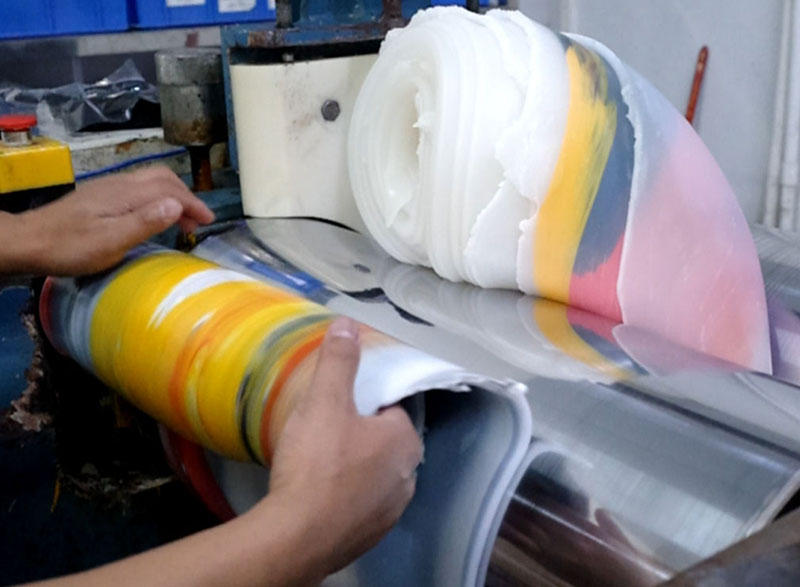
After the mold is completed, it will enter the material mixing stage. According to the product requirements, the production team selects appropriate silicone raw materials (such as food grade silicone, medical grade silicone, industrial grade silicone, etc.) to mix into different colors required by customers. At this time, special equipment will be used to mix solid silicone with additives. The importance of the material mixing stage lies in ensuring the uniformity and stability of the raw materials, which directly affects the quality of subsequent silicone products.
We can mix the required color according to the Pantone color or sample provided by the customer
4. Vulcanization
Vulcanization is the most critical step in the manufacture of silicone products. In this stage, the processed silicone is placed in the mold and heated to produce a chemical reaction to form a stable elastomer. This process not only determines the physical properties of the product (such as elasticity and wear resistance), but also affects its stability and safety in long-term use. Different vulcanization times and temperatures will bring different effects, so very accurate control and monitoring are required.
After vulcanization is completed, the product is taken out of the mold to obtain a preliminarily formed silicone product and enter the next step of processing.


5. Quality inspection (initial inspection)
The initially formed silicone products need to go through the first quality inspection. The quality inspection team will check the appearance and size of the produced products to ensure that there are no obvious defects or flaws. Only products that pass the initial inspection will enter the next step of finishing. If problems are found, the products will be returned for repair. This link can detect any production problems in time and prevent unqualified products from entering the market, which is crucial to customer experience and brand reputation.
6. Testing
In addition to appearance inspection, specific performance testing is also an indispensable part. For example, for silicone products that need to be resistant to high temperatures or waterproof, relevant temperature resistance and waterproof performance tests are required. Through these tests, it can be verified whether the product meets the expected usage requirements and improve customer satisfaction. The test report will be recorded in detail for subsequent tracking.


7. Printing
On the basis of ensuring product quality, if the customer requires customized printing, the printing stage will begin. This stage includes the printing of patterns or texts on the surface of the product, usually by screen printing or thermal transfer. The specific choice will depend on customer needs and product characteristics. Printing must ensure clarity and wear resistance to ensure that the product appearance is both beautiful and practical.
8. Final inspection and packaging
After printing, the product will undergo another rigorous inspection, which will focus on the overall quality and details of the finished product to ensure that each product meets the quality standards. After that, qualified products will be packaged for easy transportation and storage. Packaging not only protects the product from damage during transportation, but also plays a role in promotion and display.

Why Choose Kaiao
✔ 18+ Years Experience
✔ OEM & ODM
✔ FDA & LFGB Materials
✔ ISO9001 Factory
✔ BSCI & Disney FAMA audit factory
✔ Fast Sampling
✔ One-stop Manufacturing

Start Your Custom Silicone Project Today
Whether you need a completely new silicone product or want to customize an existing design, Kaiao provides end-to-end OEM & ODM manufacturing services—from concept development and mold making to mass production and global delivery.
Contact us today to discuss your project and receive a free quotation with professional engineering support.
Customized color solutions for silicone products
Applications of Different Silicone Material Grades
Related Article

Custom Silicone Products vs Standard Silicone Products: Which One Is Right for Your Business?
Custom Silicone Products vs Standard Silicone Products

When selecting materials for industrial components, kitchenware, medical devices, or consumer products, one of the most common questions buyers ask is: Silicone vs Rubber — what's the difference?
Silicone Products vs Rubber Products Differences and Applications