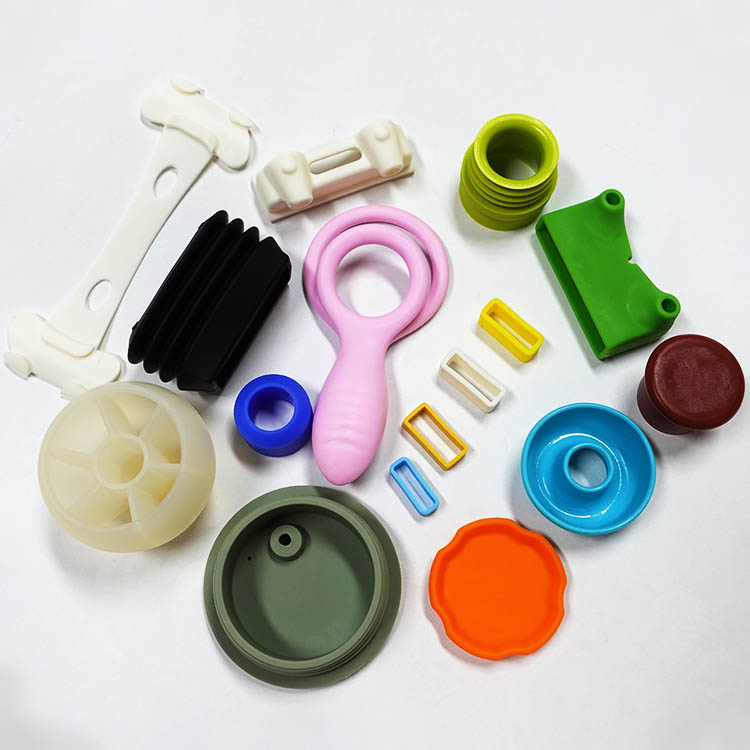
5 methods to distinguish silicone products vs TPR products
2025-06-26
Silicone vs TPR: 5 Proven Ways to Distinguish Silicone Products from TPR Products
Introduction
When sourcing flexible consumer products, buyers often encounter two common materials: silicone and TPR (Thermoplastic Rubber).
At first glance, silicone products and TPR products may look very similar. Both materials are soft, flexible, durable, and available in various colors and shapes. However, their composition, performance, safety, and applications differ significantly.
Understanding the difference between silicone vs TPR is essential for importers, wholesalers, product designers, and brand owners who want to select the right material for their products.
In this guide, we will explain the key differences between silicone products and TPR products, compare their performance, and share five practical methods to distinguish them.


What Are Silicone Products?
Silicone products are manufactured using silicone rubber, a synthetic elastomer composed primarily of silicon, oxygen, carbon, and hydrogen.
Silicone is widely recognized for its:
-
Excellent heat resistance
-
Food-grade safety
-
Flexibility
-
Durability
-
Chemical resistance
Common silicone products include:
Because of its superior safety and stability, silicone is commonly used in food-contact and baby-care products.
What Are TPR Products?
TPR stands for Thermoplastic Rubber.
It combines characteristics of rubber and plastic, providing flexibility while remaining easy to process through injection molding.
Common TPR products include:
-
Tool handles
-
Shoe soles
-
Toys
-
Grip covers
-
Sporting goods
-
Household accessories
TPR is generally chosen when manufacturers need a cost-effective material with good elasticity.

Silicone vs TPR: Quick Comparison Table
|
Property
|
Silicone Products
|
TPR Products
|
|---|---|---|
|
Heat Resistance
|
Up to 230°C–300°C
|
Typically 70°C–120°C
|
|
Food Safety
|
FDA & LFGB Available
|
Limited Food Contact Use
|
|
Flexibility
|
Excellent
|
Good
|
|
UV Resistance
|
Excellent
|
Moderate
|
|
Durability
|
Excellent
|
Good
|
|
Weather Resistance
|
Excellent
|
Moderate
|
|
Odor
|
Odorless
|
Slight Plastic Odor
|
|
Cost
|
Higher
|
Lower
|
|
Baby Products
|
Ideal
|
Not Recommended
|
|
Kitchenware
|
Ideal
|
Limited
|
Method 1: Smell Test
One of the easiest ways to distinguish silicone products from TPR products is by smell.
Silicone Products
High-quality silicone products are usually odorless or have a very mild scent.
TPR Products
TPR products often have a noticeable plastic or rubber smell due to the presence of thermoplastic compounds and additives.
If a product emits a strong odor, it is more likely to be made from TPR.
Method 2: Heat Resistance Test
Heat resistance is one of the biggest differences between silicone vs TPR.
Silicone Products
Silicone maintains its shape and performance under high temperatures.
Typical heat resistance:
-
230°C to 300°C
-
Microwave safe
-
Oven safe
-
Dishwasher safe
TPR Products
TPR begins to soften and deform at significantly lower temperatures.
Typical heat resistance:
-
70°C to 120°C
This is why TPR is rarely used for baking molds or oven accessories.

Method 3: Flame Test
A flame test can help identify the material.
Silicone Products
When burned:
-
Produce white ash
-
Generate little smoke
-
Self-extinguish quickly
TPR Products
When burned:
-
Produce black smoke
-
Emit plastic odors
-
Leave black carbon residue
This difference comes from the unique molecular structure of silicone rubber.

Method 4: Stretch and Recovery Test
Elastic recovery is another reliable indicator.
Silicone Products
Silicone can be stretched repeatedly while maintaining its original shape.
Characteristics:
-
Excellent elasticity
-
Minimal permanent deformation
-
Long service life
TPR Products
TPR can stretch but generally shows greater permanent deformation after repeated use.
Over time, TPR products may become less elastic.
⚠️ Safety note: Conduct burn tests only in well-ventilated areas or on inconspicuous areas of the product.
Method 5: Surface Feel Test
The tactile feel of the material provides valuable clues.
Silicone Products
Typically feel:
-
Smooth
-
Soft
-
Skin-friendly
-
Non-sticky
TPR Products
Often feel:
-
Slightly sticky
-
More plastic-like
-
Less refined
Experienced buyers can often identify the material simply by touch.

Which Material Is Better for Kitchen Products?
For kitchen applications, silicone products clearly outperform TPR products.
Suitable silicone kitchen products include:
Silicone's superior heat resistance and food safety make it the preferred choice.
Which Material Is More Cost-Effective?
TPR products generally have lower production costs.
Advantages:
-
Lower raw material cost
-
Faster processing
-
Suitable for high-volume production
However, silicone products often provide better long-term value because of their durability and premium appearance.

Why Choose Kaiao Silicone?
As an experienced OEM and ODM silicone manufacturer, Kaiao Silicone provides:
-
Food-grade silicone materials
-
FDA and LFGB compliant products
-
Custom colors and logos
-
Private label manufacturing
-
Custom mold development
-
Strict quality control
Our engineering team can help you determine whether silicone or TPR is the best solution for your project.
Frequently Asked Questions
Is silicone better than TPR?
For food-contact, baby-care, and high-temperature applications, silicone is generally superior.
Can TPR be food grade?
Certain TPR formulations can meet food-contact requirements, but silicone remains the preferred material.
Why are silicone products more expensive?
Silicone offers better safety, durability, heat resistance, and long-term performance.
How can I identify silicone products quickly?
The most common methods include smell testing, heat resistance testing, flame testing, stretch testing, and touch evaluation.
Which material lasts longer?
Silicone typically has a longer lifespan and better resistance to aging, UV exposure, and extreme temperatures.
Applications of Different Silicone Material Grades
Advantages and Applications of Custom Silicone Rubber Keypads
Related Article

Custom Silicone Products vs Standard Silicone Products: Which One Is Right for Your Business?
Custom Silicone Products vs Standard Silicone Products

When selecting materials for industrial components, kitchenware, medical devices, or consumer products, one of the most common questions buyers ask is: Silicone vs Rubber — what's the difference?
Silicone Products vs Rubber Products Differences and Applications