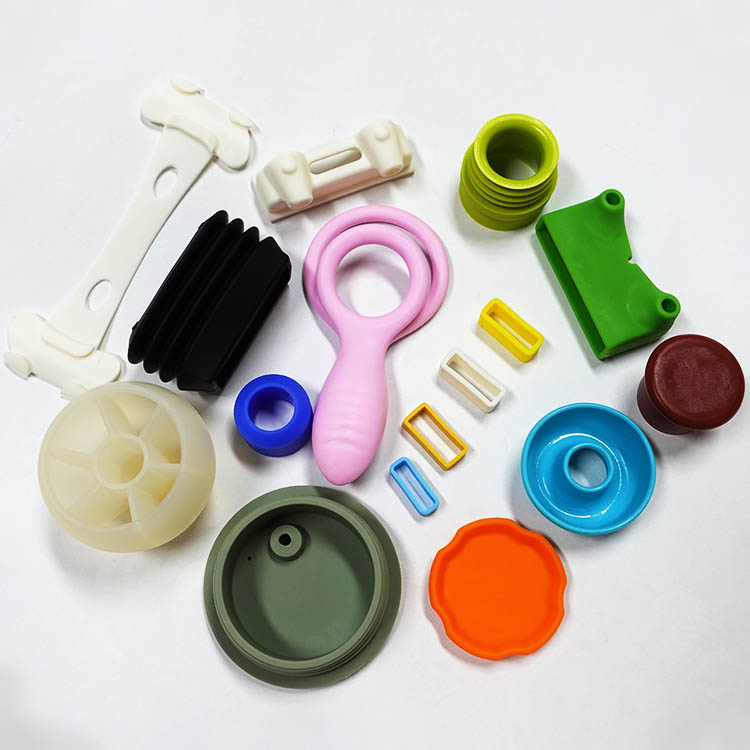
Applications and advantages of silicone baking molds
author: Eva Chan
2024-09-11

With the popularization of baking culture, more and more people are trying to make various delicious pastries and desserts at home. Among many baking tools, silicone baking molds are widely popular due to their unique material properties and superior usage experience. In this article, we will delve into the applications, materials, features, benefits, and reasons for choosing silicone baking molds.


Why choose silicone baking molds
Enhance baking experience:
The superior performance of silicone molds makes the baking process smoother and reduces the chance of failure.
Unlimited creativity:
The diversified shapes and colors of silicone molds add fun to baking and inspire creativity.
Suitable for all kinds of people:
Whether you are a novice baker or a professional baker, silicone molds can meet the needs of different levels.
Affordable:
Its durability and versatility make it very cost-effective for long-term use
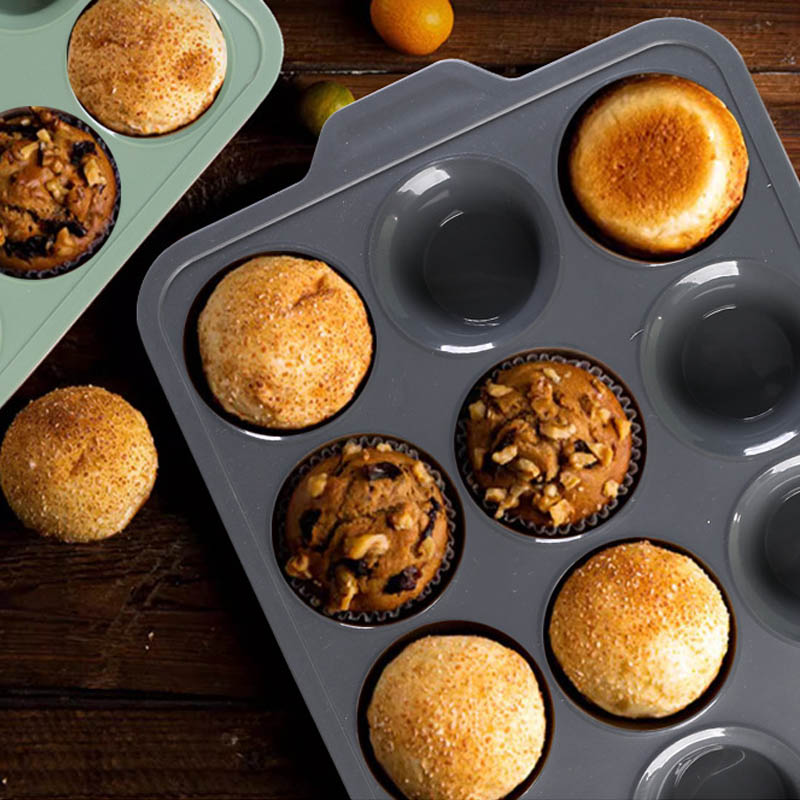

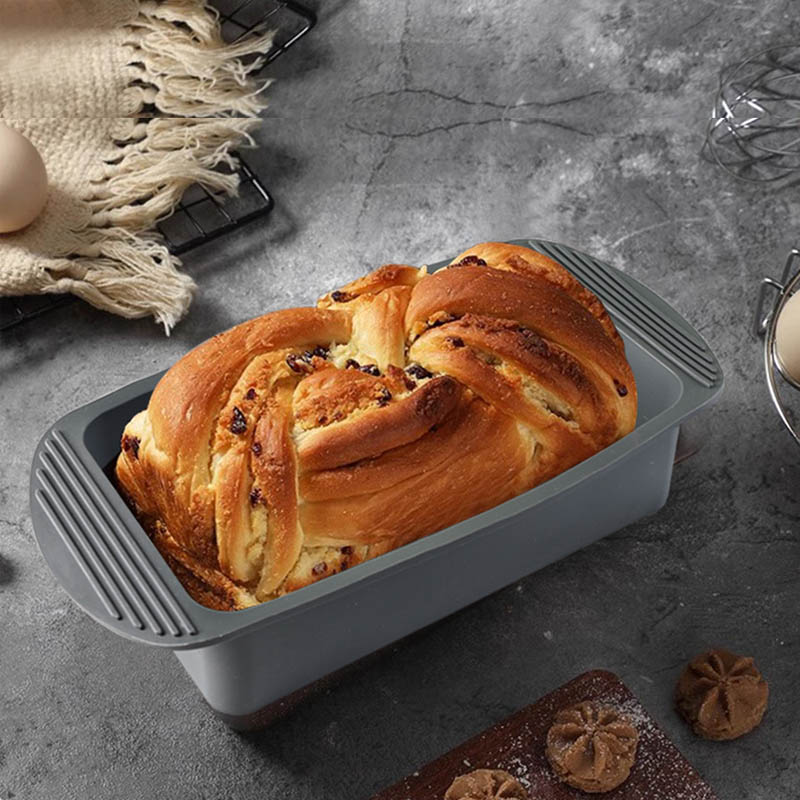
Material of Silicone Baking Mold
Silicone baking molds are mainly made of food grade silicone. Food grade silicone is a material with good resistance to high and low temperatures. Food-grade silicone meets food safety standards and does not contain harmful substances, ensuring that there is no contamination of food during the baking process.


Properties of silicone baking molds
High-temperature resistance:
Silicone baking molds can withstand temperatures up to 230°C, making them suitable for a wide range of baking needs.
Low-Temperature Resistant:
They can also be used at temperatures as low as -40°C, making them suitable for frozen foods.
Flexible:
The flexibility of silicone molds makes demolding easy, reducing the risk of food breakage during baking.
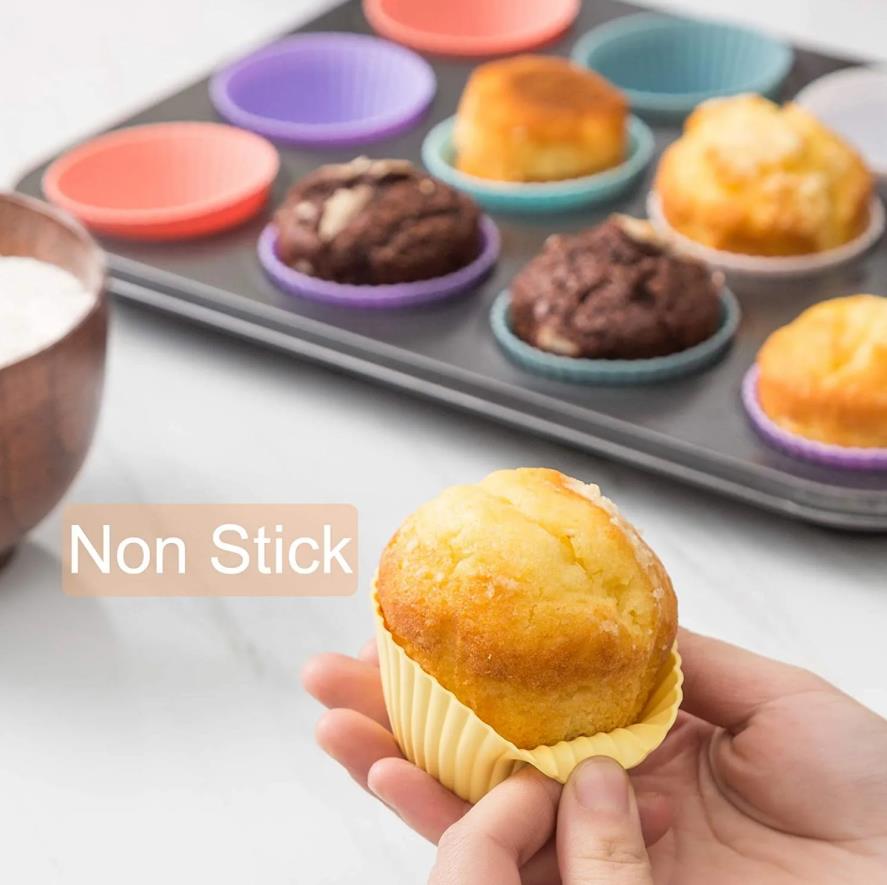
Non-sticky:
Silicone surface is smooth, not easy to adhere to food, reducing the need to use grease, easy to clean.
Lightweight:
Silicone molds are lighter than traditional metal molds, making them easier to store and carry.


Advantages of silicone baking mold
Safety:
Food grade silicone contains no harmful chemicals, safe and reliable for home use.
Easy to clean:
Silicone molds can be easily cleaned with warm water and detergent, and can even be put into the dishwasher to clean, saving time and effort.
Multifunctionality:
Besides baking, silicone molds can also be used for making chocolate, ice cream, jelly, etc., with various functions.
Durability:
High-quality silicone molds are durable and not easily deformed, with a long service life.
Eco-friendly:
Silicone materials can be recycled, reducing the impact on the environment.


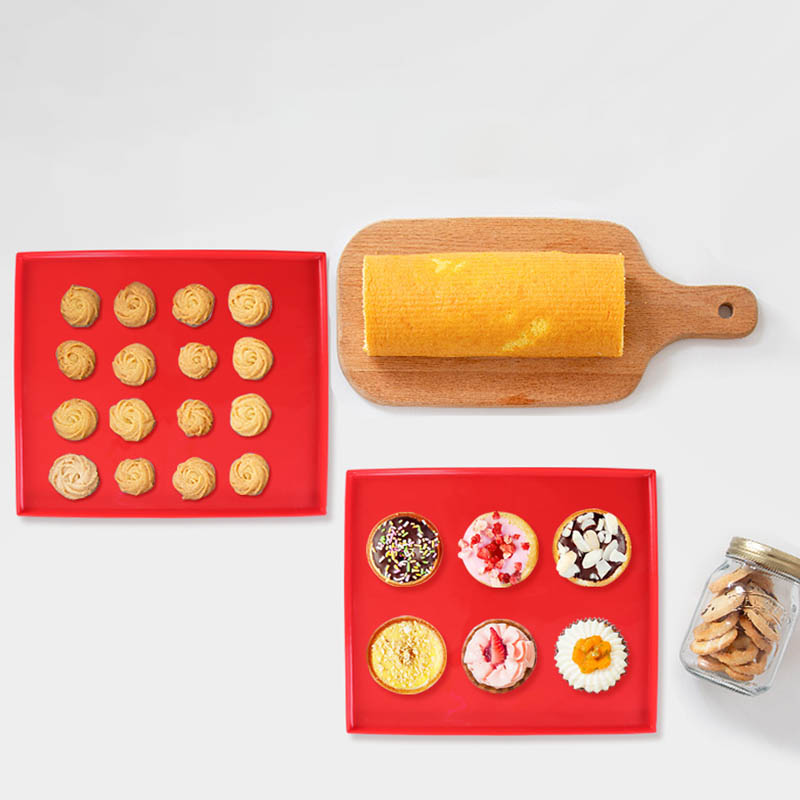
Applications of Silicone Baking Molds
Silicone baking molds are widely used in home baking, professional bakeries, and baking classes. They can be used to make a variety of baked
goods, including:
Cakes:
Silicone molds can conduct heat evenly, making cakes bake more evenly and easy to release.
Cookies:
Using silicone molds allows you to create cookies in a variety of shapes, adding to the fun of baking.
Chocolate:
Silicone molds are perfect for making chocolate because their flexibility makes it easy to release the chocolate.
Ice cream:
Silicone molds can also be used to make ice cream, making it easy to remove and keep the shape.
Jellies and puddings:
Due to the flexibility of silicone, mold release becomes a breeze when making jellies and puddings.


Silicone baking molds have become an indispensable tool in modern baking with their unique material properties and diverse application scenarios. Whether for home baking or professional baking, silicone molds provide a safe, convenient, and efficient baking experience. Choosing silicone baking molds not only enhances the fun of baking but also makes it easy for every baking enthusiast to create delicious food.
Daily Silicone Products- little helpers that make life easier
Silicone Baking Mat-An Essential Tool for Baking Enthusiasts
Related Article

Custom Silicone Products vs Standard Silicone Products: Which One Is Right for Your Business?
Custom Silicone Products vs Standard Silicone Products

When selecting materials for industrial components, kitchenware, medical devices, or consumer products, one of the most common questions buyers ask is: Silicone vs Rubber — what's the difference?
Silicone Products vs Rubber Products Differences and Applications