Silicone Baking Mat-An Essential Tool for Baking Enthusiasts
author: Eva Chan
2024-08-27

1. What is a Silicone Baking Mat?
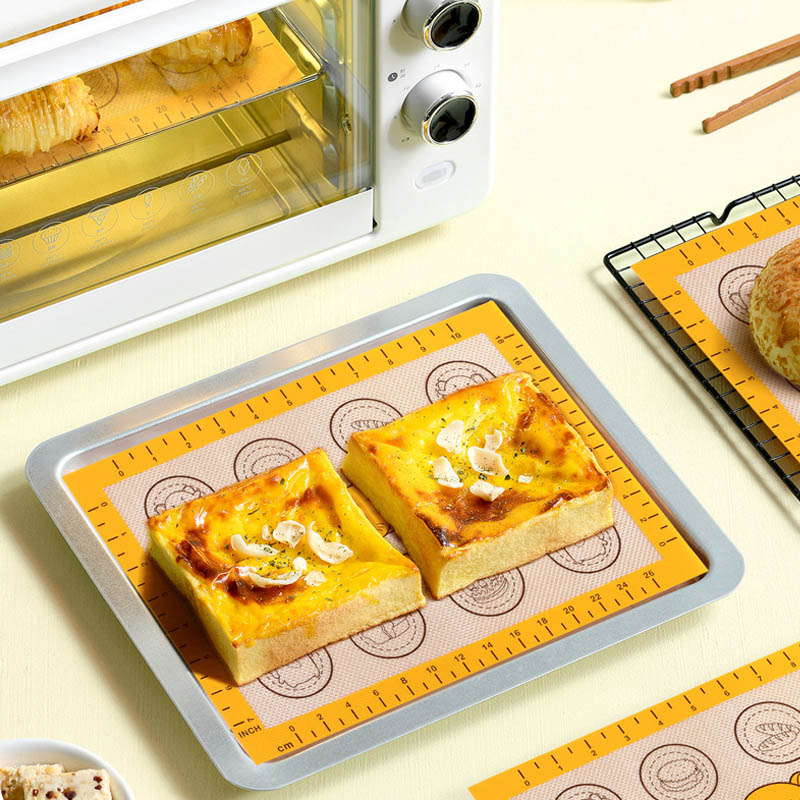
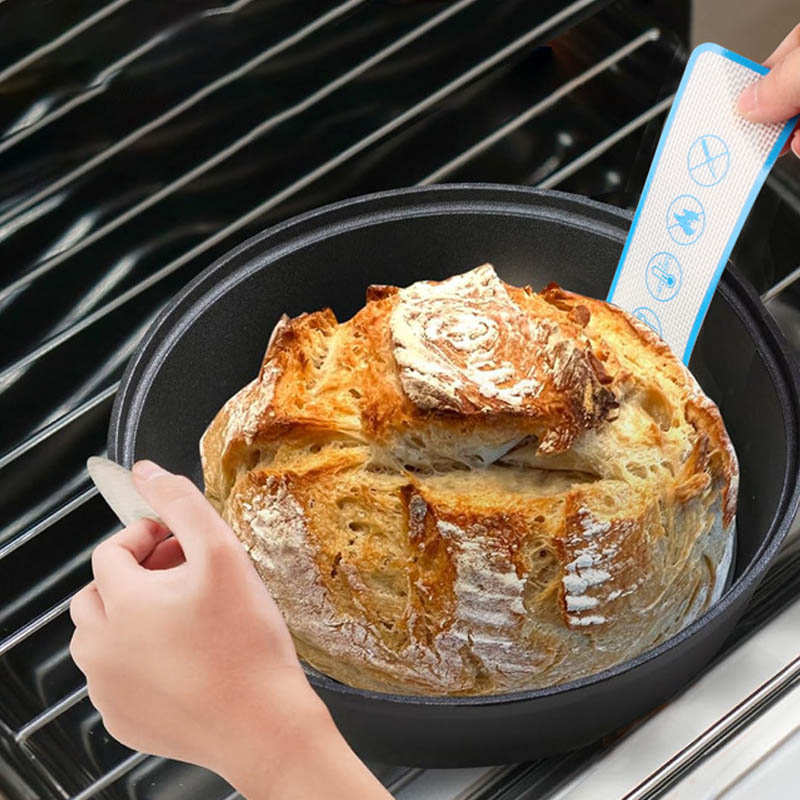
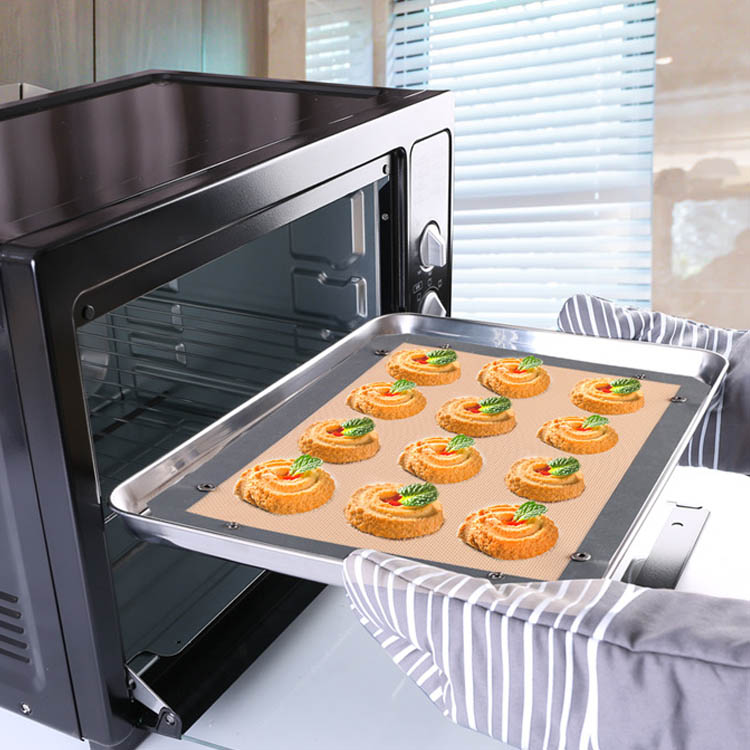
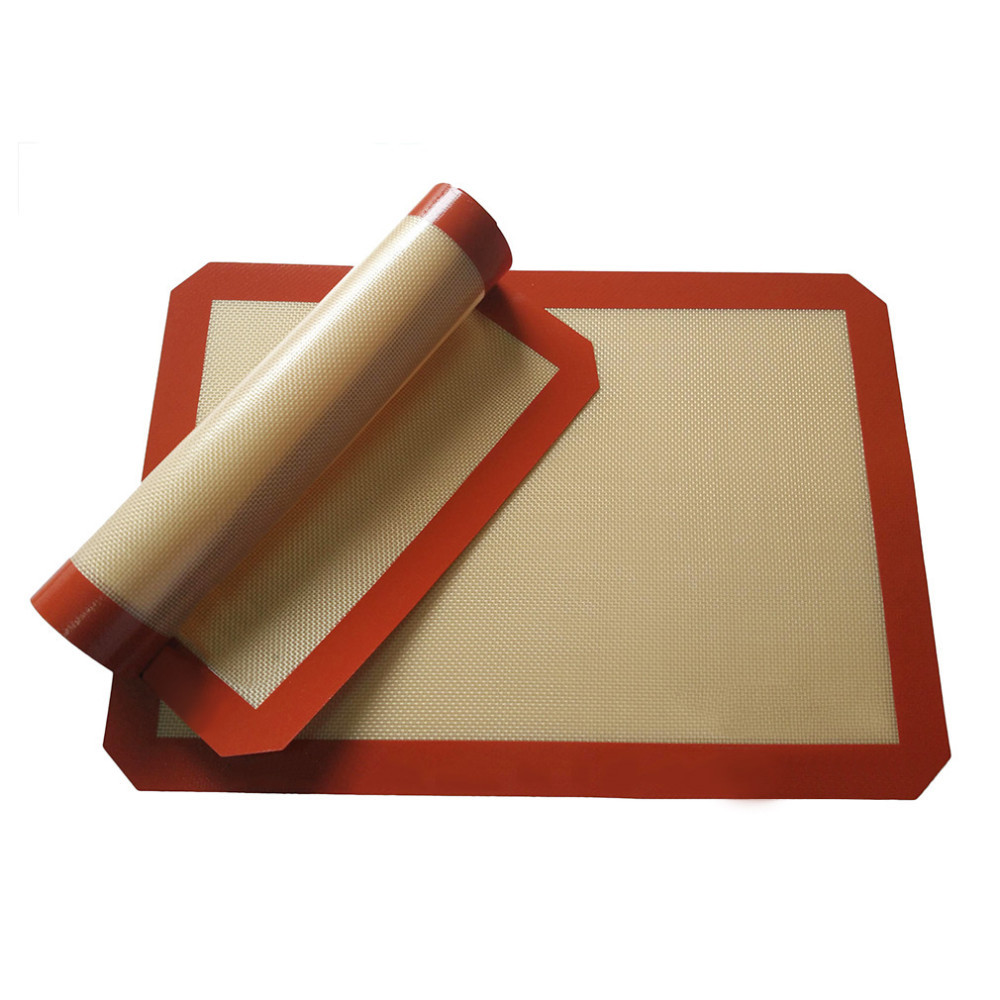
A silicone baking mat is a baking tool made from food-grade silicone and fiberglass, commonly used for baking, cooking, and cooling food. The surface of a silicone baking mat is smooth and has excellent non-stick properties, effectively preventing food from sticking to the baking tray, making it easy to remove and clean. Compared to traditional parchment paper, silicone baking mats offer better heat resistance and durability, allowing for repeated use and reducing reliance on disposable baking paper.


2. Advantages of Silicone Baking Mats
Heat Resistance:
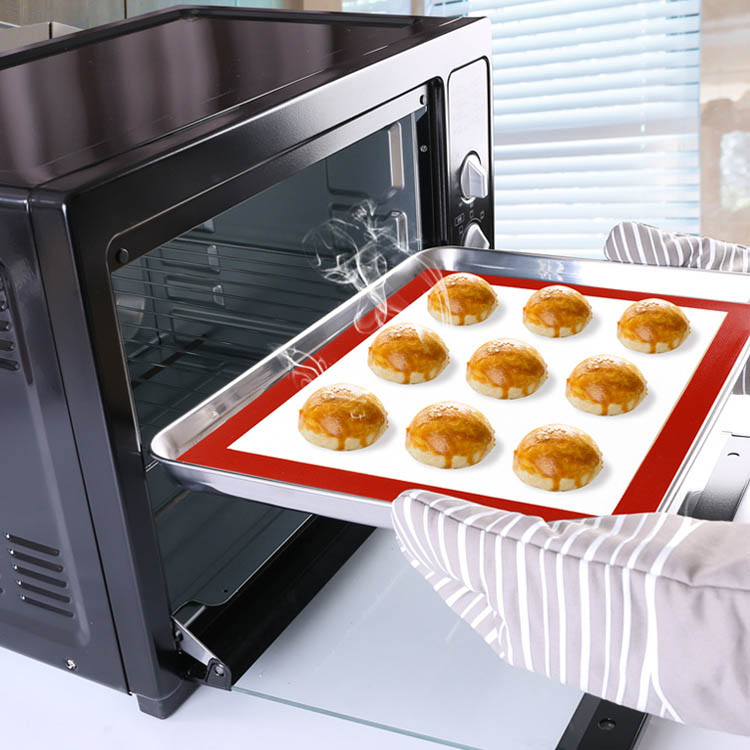
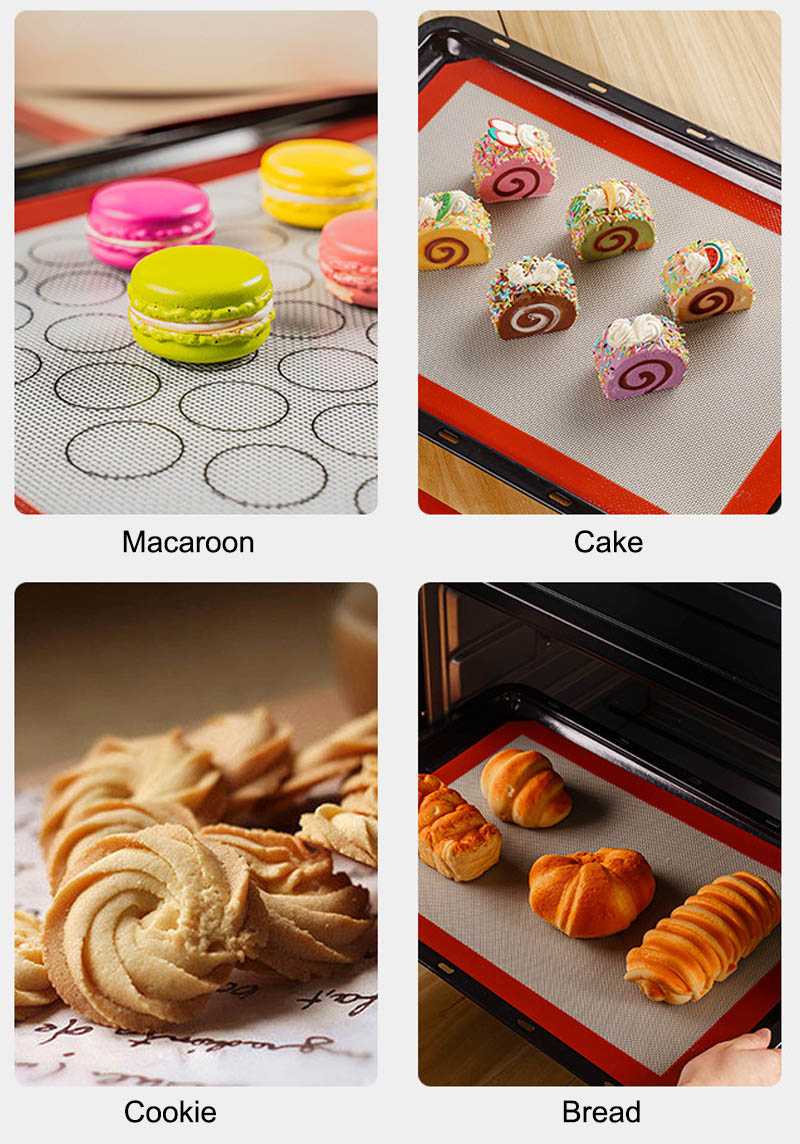
Silicone baking mats can typically withstand temperatures ranging from -40°C to 230°C, making them suitable for a variety of baking needs, including cookies, cakes, and bread.
Non-Stick Properties:
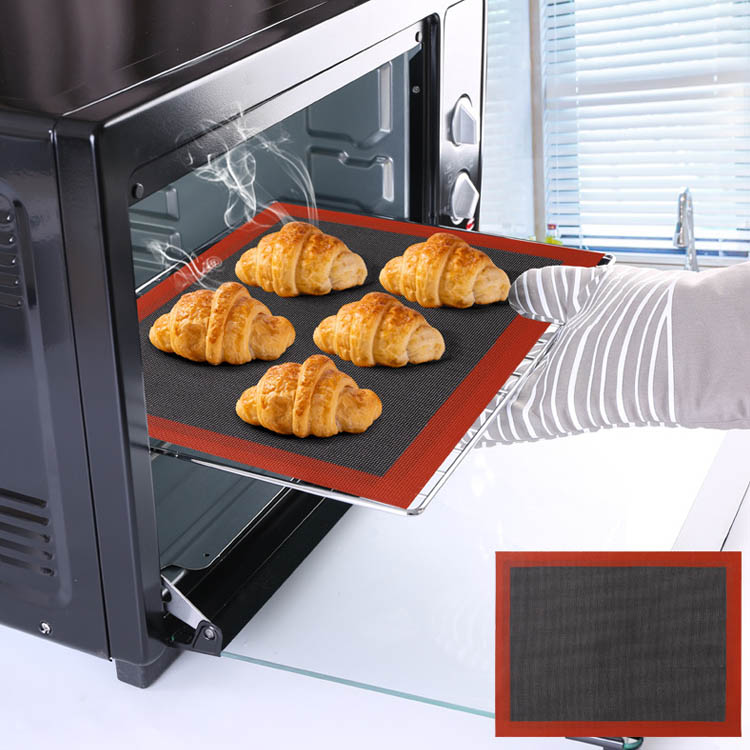
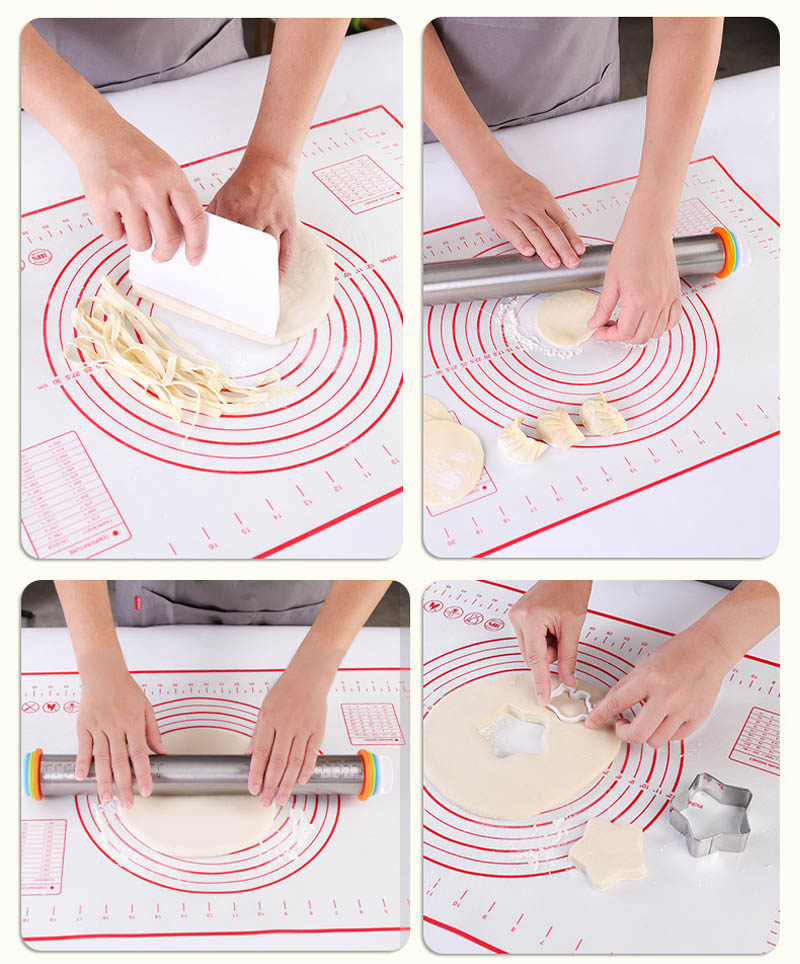
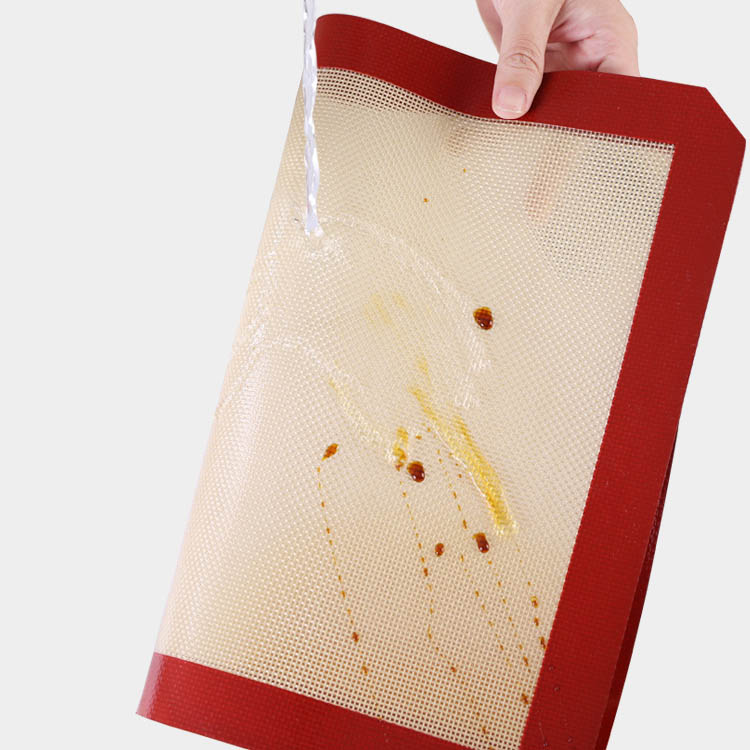
Thanks to the nature of silicone, the baking mat's surface does not easily adhere to food, minimizing damage during baking and ensuring the integrity of the finished product.
Easy to Clean:
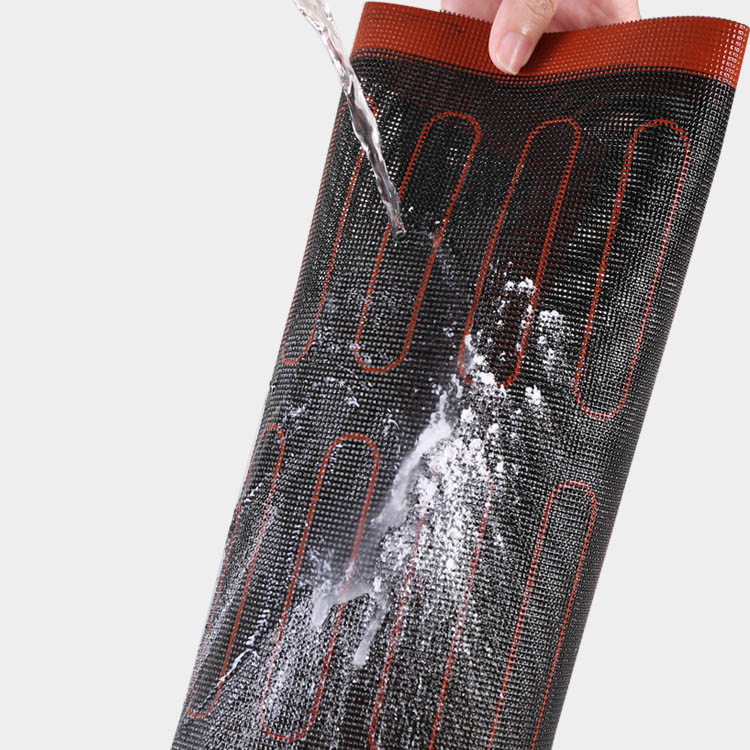
Silicone baking mats can be easily washed with warm water and dish soap, and they are even dishwasher safe, saving time and effort.
Eco-Friendly:
Unlike disposable baking paper, silicone baking mats are reusable, which reduces environmental impact and is a more sustainable choice.
Versatility:
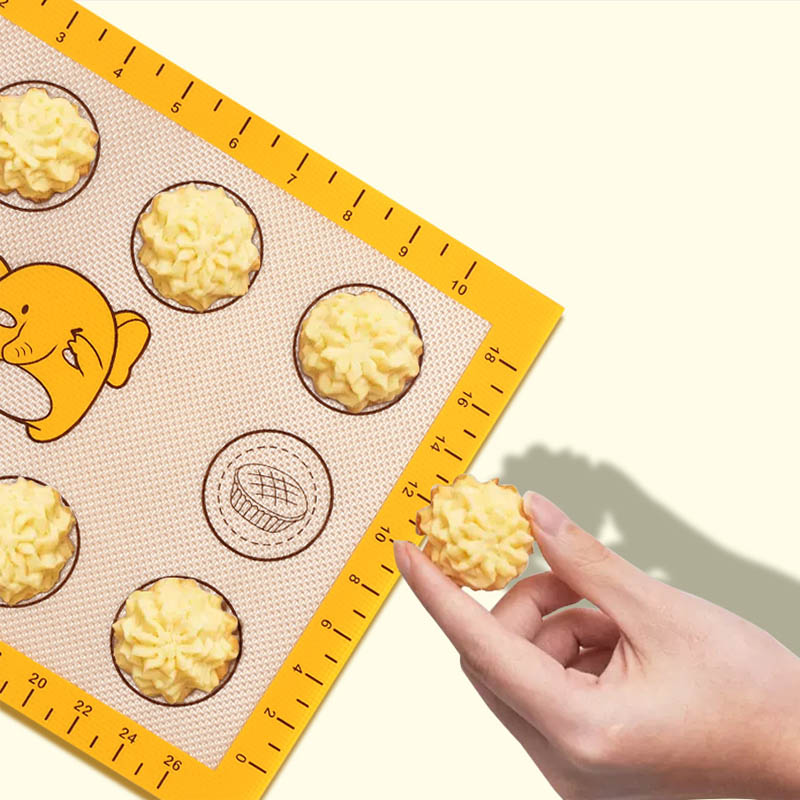
In addition to baking, silicone baking mats can also be used for freezing, thawing, and candy-making, making them flexible and multifunctional.
3. Advantages of silicone baking mats
Cost-Effectiveness:
While the initial purchase cost of a silicone baking mat may be relatively high, its durability allows for savings over time, as it significantly reduces the expense of buying baking paper.
Enhancing Baking Performance:
The even heat conduction properties of silicone baking mats help food cook more uniformly, improving baking results and making the final products even more delicious.
Safety:
High-quality silicone baking mats are made from food-grade materials and do not contain harmful substances, making them safe and reliable for use.
Convenient Storage:
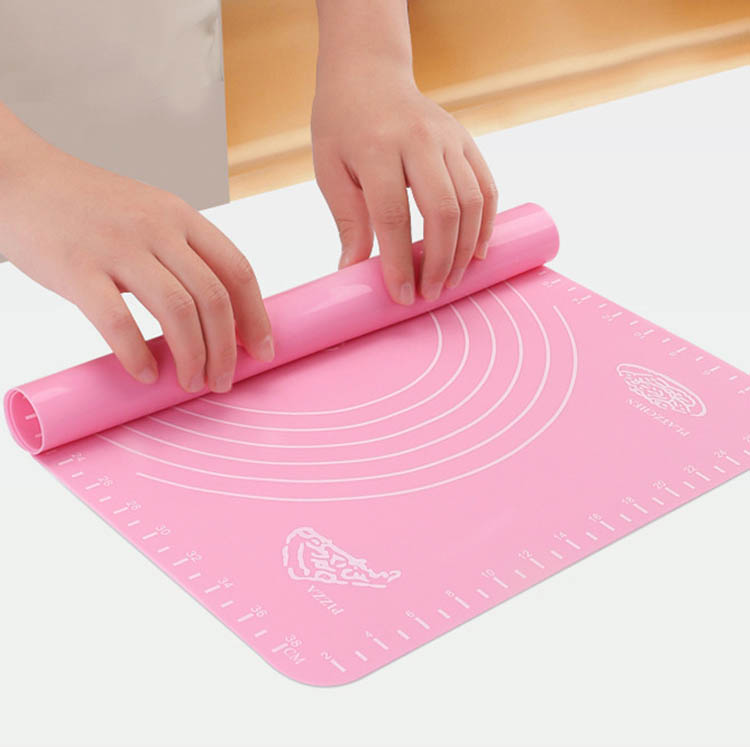
Silicone baking mats are flexible and can be rolled or folded for storage, taking up little space, which is ideal for home kitchens.
4. Cleaning and Maintenance of Silicone Baking Mats
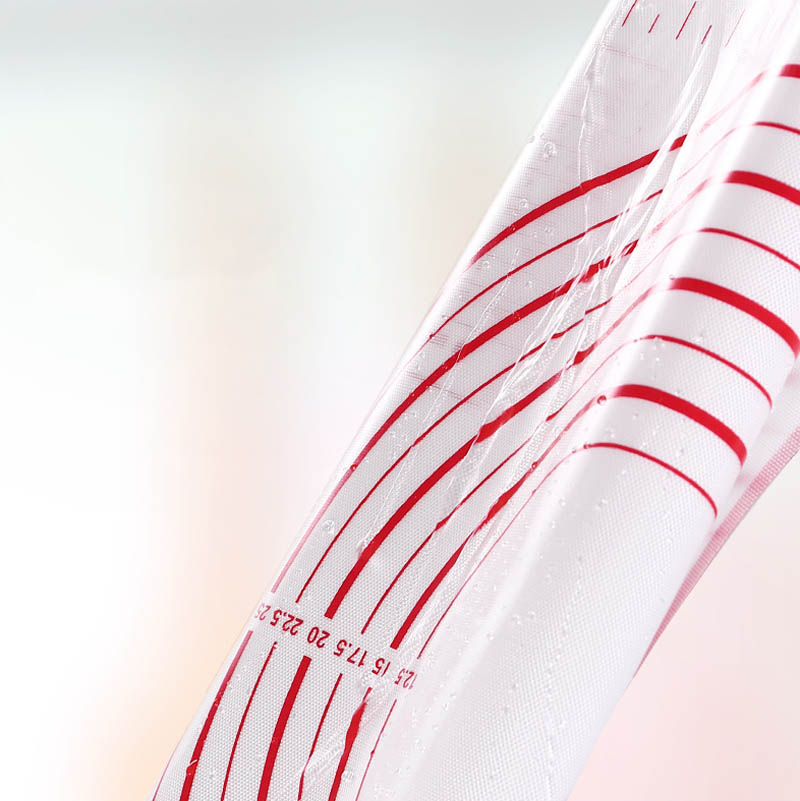
When cleaning silicone baking mats, use warm water and a small amount of dish soap to gently wipe them, ensuring the removal of grease and residue. For stubborn stains, a soft brush can be used for gentle scrubbing. While silicone baking mats can be washed in the dishwasher. When storing, lay them flat or roll them up to avoid damage that may occur from folding. Avoid high temperatures and sharp objects during use to maintain their performance.
5. Comparison with Other Baking Tools
Comparison with Parchment Paper:
Parchment paper is typically single-use, while silicone baking mats are reusable, making them more cost-effective. Silicone mats have better heat resistance and are less likely to burn.
Comparison with Metal Baking Trays:
Metal baking trays conduct heat well but can easily stick to food, while silicone baking mats offer better non-stick performance. Metal trays require greasing, whereas silicone mats do not.
Pros and Cons of Other Alternatives:
Glass and ceramic baking trays, while aesthetically pleasing, are heavier and more fragile. Silicone baking mats are lightweight and durable, making them a more ideal choice.


In summary, silicone baking mats are an incredibly practical baking tool with advantages such as heat resistance, non-stick properties, easy cleaning,
and eco-friendliness. They are suitable for both home baking enthusiasts and professional bakers, enhancing baking efficiency and the quality of the
end products. Whether you're a beginner or an experienced baker, silicone baking mats are an indispensable helper in the kitchen.
Applications and advantages of silicone baking molds
Silicone Baby Feeding Set Makes Feeding Cozy and Easy
Related Article

Custom Silicone Products vs Standard Silicone Products: Which One Is Right for Your Business?
Custom Silicone Products vs Standard Silicone Products

When selecting materials for industrial components, kitchenware, medical devices, or consumer products, one of the most common questions buyers ask is: Silicone vs Rubber — what's the difference?
Silicone Products vs Rubber Products Differences and Applications