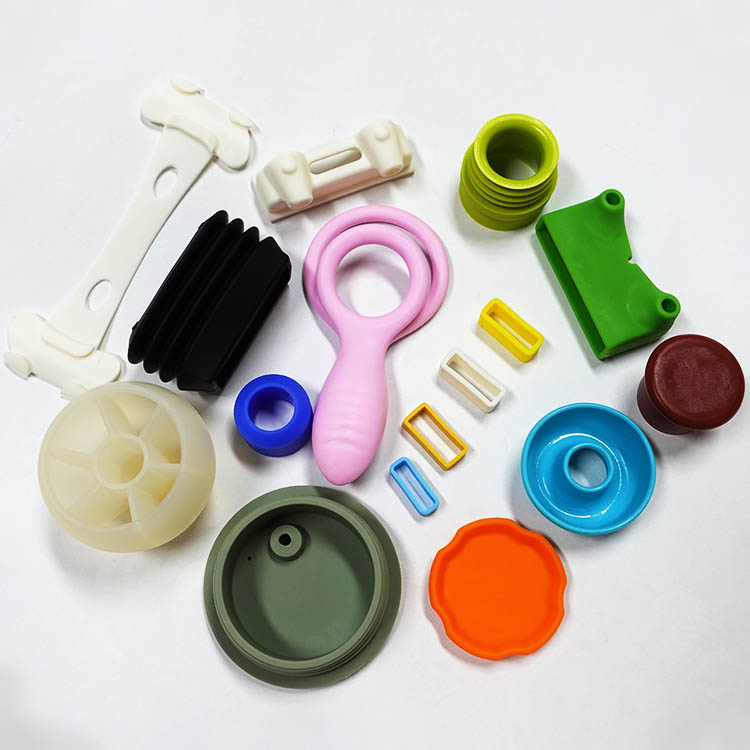
Silicone Filter Drains
2024-05-23
Silicone filter drains have rapidly become an essential fixture in modern kitchens and bathrooms, offering a practical solution to a common household problem: clogged drains. These innovative tools are designed to effectively trap debris, preventing blockages while ensuring easy maintenance and hygiene.
Silicone filter drains are durable and flexible, made from high-quality silicone to fit various sink sizes and shapes. They maintain their structural integrity over time and can be used in kitchens, bathrooms, and utility sinks.

Silicone filter drains are designed with fine mesh patterns that efficiently trap hair, food particles, and other debris. This prevents these materials from entering the drain and causing blockages. The effectiveness of silicone filters in preventing clogs cannot be overstated. By capturing debris before it enters the plumbing system, these filters reduce the risk of costly and inconvenient plumbing issues. This proactive approach to drain maintenance ensures that water flows smoothly and freely, reducing the need for chemical drain cleaners and manual unclogging efforts.
Another significant benefit of silicone filter drains is their ease of cleaning and maintenance. Silicone's non-stick properties make it simple to rinse off trapped debris, and the filters can be quickly cleaned with soap and water or placed in the dishwasher for thorough sanitation. This ease of maintenance ensures that the filters remain hygienic and effective over time. Additionally, unlike metal filters that can rust or plastic filters that can break, silicone filters retain their functionality and appearance, providing a long-lasting solution for household drain management.
Silicone is naturally heat-resistant, which makes silicone filter drains particularly suitable for use in kitchens where hot water and cooking oils are frequently encountered. They can withstand high temperatures without warping or degrading, ensuring consistent performance even in challenging conditions. Furthermore, silicone is a non-toxic material free from harmful chemicals such as BPA and phthalates. This makes silicone filter drains a safe choice for homes, as they do not leach toxic substances into the water supply, contributing to a healthier living environment.
Using silicone filter drains has positive environmental implications. By reducing the need for chemical drain cleaners, these filters help decrease the release of harmful substances into the environment. Additionally, the durability and reusability of silicone filters mean that fewer disposable filters are needed, leading to less waste. This sustainability aspect aligns with the growing trend toward eco-friendly home solutions, making silicone filter drains an environmentally responsible choice for conscientious consumers.
Their durability, flexibility, effective clog prevention, ease of cleaning, heat resistance, and safety make them an essential tool for modern households. By offering a dependable solution to the common issue of clogged drains, silicone filter drains improve the functionality and hygiene of kitchens and bathrooms, contributing to a more efficient and pleasant living environment.


In summary, adopting silicone filter drains is a practical and forward-thinking step for homeowners looking to improve their household maintenance routines. These innovative tools address immediate issues and offer long-term benefits, including reduced plumbing problems, lower environmental impact, and increased convenience. As awareness of their advantages continues to grow, silicone filter drains are set to become a standard feature in homes worldwide, reflecting the ongoing evolution of smart and sustainable home technologies.
Silicone Towel Cases Best For Towel Storage and Hygiene
Top 10 Benefits of Silicone Kitchen Tongs Every Home Cook Should Know
Related Article

Custom Silicone Products vs Standard Silicone Products: Which One Is Right for Your Business?
Custom Silicone Products vs Standard Silicone Products

When selecting materials for industrial components, kitchenware, medical devices, or consumer products, one of the most common questions buyers ask is: Silicone vs Rubber — what's the difference?
Silicone Products vs Rubber Products Differences and Applications