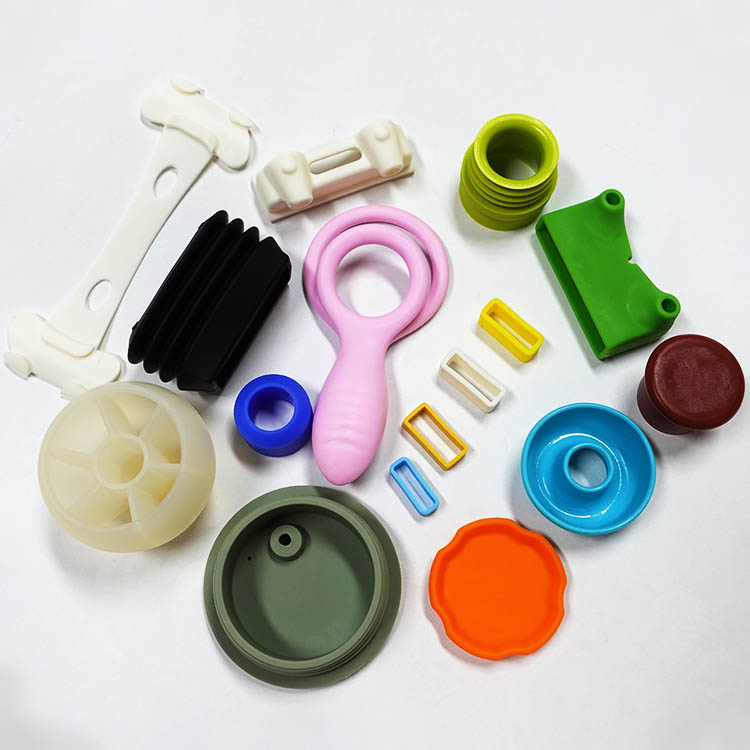
Why Silicone Baby Teething Toys Choices Are a Parents Best Friend
2026-02-04
Teething is a normal stage of early childhood development, but it can be uncomfortable for babies and challenging for parents. During this period, babies often want to chew on objects, making a suitable teething toy a practical addition to their daily routine.
With many types of baby teething toys available, parents need to consider more than appearance. Material, shape, texture, size, cleanability, and overall construction all matter when selecting a teether.
Among the available options, a silicone baby teether is widely used because silicone can be flexible, durable, and relatively easy to clean. For parents looking for a more playful design, a fruit teething toy can combine a recognizable shape with different textures that are easy for small hands to hold.
This guide explains what to look for when choosing baby teething toys and how silicone teethers can fit into a baby's daily routine.
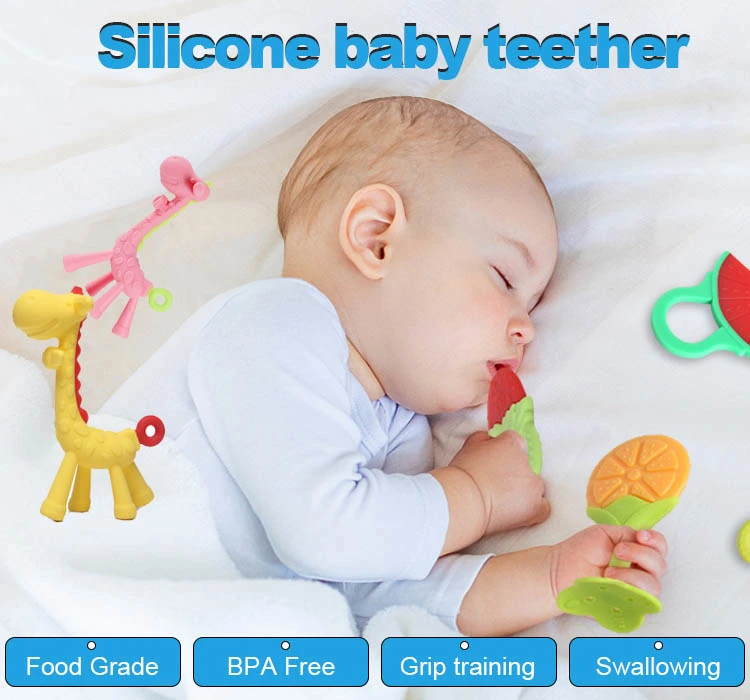
What Are Baby Teething Toys?
Baby teething toys are products designed for babies to safely chew or bite during the teething stage. They can provide a dedicated object for chewing instead of allowing babies to chew on household items that may not be designed for this purpose.
Common types include:
-
Silicone teething rings
-
Silicone animal teethers
-
Fruit-shaped teethers
-
Textured silicone teethers
-
Teething toys with handles
-
Silicone teething toys with multiple textures
A well-designed teether should be appropriately sized for the intended age group, comfortable for small hands to hold, and made from materials suitable for the product's intended use.

Why Choose a Silicone Baby Teether?
A silicone baby teether is a popular choice because silicone offers several practical properties for baby products.
1. Soft and Flexible Texture
Silicone can be formulated in different hardness levels, allowing manufacturers to create products with textures suitable for different designs and applications.
A properly designed silicone surface can provide a comfortable chewing experience while maintaining enough structural stability for repeated use.

2. Easy to Clean
Baby products require frequent cleaning. Silicone is a practical material for products that need regular washing because its smooth, non-porous surface is relatively easy to clean.
Always follow the manufacturer's cleaning and sterilization instructions, especially when the product has special coatings, printed graphics, attached components, or other materials.

3. Durable for Repeated Use
Babies may repeatedly bite, pull, bend, and handle their teethers. Silicone can provide good flexibility and resistance to everyday handling when the material and product structure are properly selected.
For manufacturers, material selection should be based on the intended application, target market, hardness requirement, and relevant testing requirements.

4. Flexible Product Design
Silicone allows manufacturers to create many different shapes, textures, colors, and surface patterns.
This makes silicone suitable for products such as:
-
Teething rings
-
Animal-shaped teethers
-
Fruit-shaped teethers
-
Character teethers
-
Textured teething toys
-
Custom OEM baby teethers

What Is a Fruit Teething Toy?
A fruit teething toy is a baby teether designed with fruit-inspired shapes such as strawberries, peachs, oranges, apples, or watermelon.
The appeal of a fruit teething toy is not only its appearance. Different surface textures and easy-to-grip shapes can make the product more interesting for babies to explore.
For example, a fruit-shaped design may include:
-
Raised surface textures
-
Small ridges
-
Rounded edges
-
Easy-grip handles
-
Multiple chewing surfaces
For brands and retailers, fruit designs can also provide more opportunities for color customization and private-label product development.

What Should Parents Look for When Choosing Baby Teething Toys?
Safety and appropriate product design should be the first considerations when selecting baby teething toys.
Material
Look for products that clearly identify the material and intended use. If a product is marketed as food-contact or baby-safe silicone, buyers should also check the manufacturer's supporting documentation and testing information.
Terms such as "food-grade silicone" should be supported by appropriate material documentation and testing for the target market.

Size and Shape
The teether should be designed for the intended age group and should not contain components that can become detached during normal use.
Avoid products with loose small parts or damaged areas.

Construction
A teether should have a robust construction appropriate for repeated chewing and handling.
For molded silicone products, manufacturers should pay particular attention to:
-
Parting lines
-
Flash
-
Tear resistance
-
Wall thickness
-
Small detachable components
-
Surface finish
-
Dimensional consistency

Texture
Different textures can make a teething toy more interesting for babies to hold and chew.
A product can combine smooth areas with raised or textured sections to create different sensory surfaces.

Why Fruit-Shaped Silicone Teethers Are Popular
The combination of a familiar fruit shape and flexible silicone creates many possibilities for baby product design.
A fruit teething toy can be designed with different:
-
Fruit shapes
-
Colors
-
Textures
-
Handle designs
-
Surface patterns
-
Packaging options
For example, a strawberry-shaped teether can use raised surface details, while a banana-shaped teether can be designed with a curved handle that is easy for small hands to hold.
From a product-development perspective, silicone molding also makes it possible to develop customized shapes based on original artwork or 3D designs.

Custom Silicone Baby Teething Toys for Brands
For baby-product brands, retailers, and distributors, a teething toy can be developed as a private-label or OEM product.
Typical customization options include:
-
Custom shape
-
Custom size
-
Silicone hardness
-
Custom Pantone color
-
Logo
-
Surface texture
-
Packaging
-
Gift sets
-
Retail packaging
-
Custom tooling
A manufacturer can also help review the product structure before tooling to identify potential issues such as difficult demolding areas, excessive parting lines, thin sections, or small detachable components.
For products intended for different markets, testing and compliance requirements should be confirmed based on the destination country and intended application.

FAQ About Baby Teething Toys
What age are baby teething toys suitable for?
The appropriate age depends on the specific product design and the manufacturer's instructions. Parents should always follow the recommended age range shown on the product packaging.
Is silicone good for baby teething toys?
Silicone is commonly used for baby teethers because it can be flexible, durable, washable, and molded into different shapes and textures. The specific silicone grade and testing requirements should be confirmed for the intended application.
What is a fruit teething toy?
A fruit teething toy is a teether designed in a fruit-inspired shape, such as a strawberry, banana, apple, orange, or watermelon. These designs can combine playful shapes with different textures and gripping surfaces.
How do I clean a silicone baby teether?
Follow the manufacturer's cleaning instructions. Many silicone products can be cleaned with soap and water, while some products may have additional sterilization requirements or limitations.
What should I check before buying baby teething toys?
Check the recommended age range, material information, construction, size, surface condition, cleaning instructions, and whether the product has any loose or detachable parts.
Can silicone baby teethers be customized?
Yes. Silicone baby teethers can be customized in shape, size, color, texture, hardness, logo, and packaging. OEM and ODM development can also be based on drawings, 3D files, or reference samples.

Choose the Right Baby Teething Toy for Your Product
Choosing the right baby teething toys requires more than selecting an attractive shape. Material, construction, size, texture, cleaning requirements, and target-market standards should all be considered.
A well-designed silicone baby teether can provide a practical combination of flexibility, durability, cleanability, and design versatility. Fruit-shaped designs are also an attractive option for brands looking for colorful and engaging products.
For brands, wholesalers, retailers, and distributors developing their own baby product line, custom silicone teethers can be developed around specific shapes, colors, textures, logos, and packaging requirements.
Looking for a custom silicone baby teether or fruit teething toy manufacturer? Contact Kaiao to discuss your design, material requirements, target quantity, and OEM/ODM project.
Why a Silicone Baby Bowl with Suction Base is a Must-Have for Toddler Parents
Top 5 Advantages of Using Pyramid Baking Mats for Perfect Results
Related Article

Custom Silicone Products vs Standard Silicone Products: Which One Is Right for Your Business?
Custom Silicone Products vs Standard Silicone Products

When selecting materials for industrial components, kitchenware, medical devices, or consumer products, one of the most common questions buyers ask is: Silicone vs Rubber — what's the difference?
Silicone Products vs Rubber Products Differences and Applications